By Mohamed Jaward Nyallay
I am not a native of Bonthe. Until 2024, I had visited the district only once. Yet in the past two years, I have returned twice—first for leisure, and most recently for work, blended again with moments of quiet discovery. In that short span of time, Bonthe has revealed itself not merely as a place on the map, but as an idea: one shaped by possibility, resilience, and a future steadily coming into view.
The journey into Bonthe now tells its own story. The most immediate and striking sign of change is the road. Its steady expansion is more than an infrastructure project; it is a promise. Once completed, this road will unlock millions of dollars in fishing and tourism potential, connecting the island more firmly to national markets and global opportunity. For the people of Bonthe, it signals something profound—that progress is no longer a distant conversation, but a visible and irreversible reality. The excitement here is palpable.
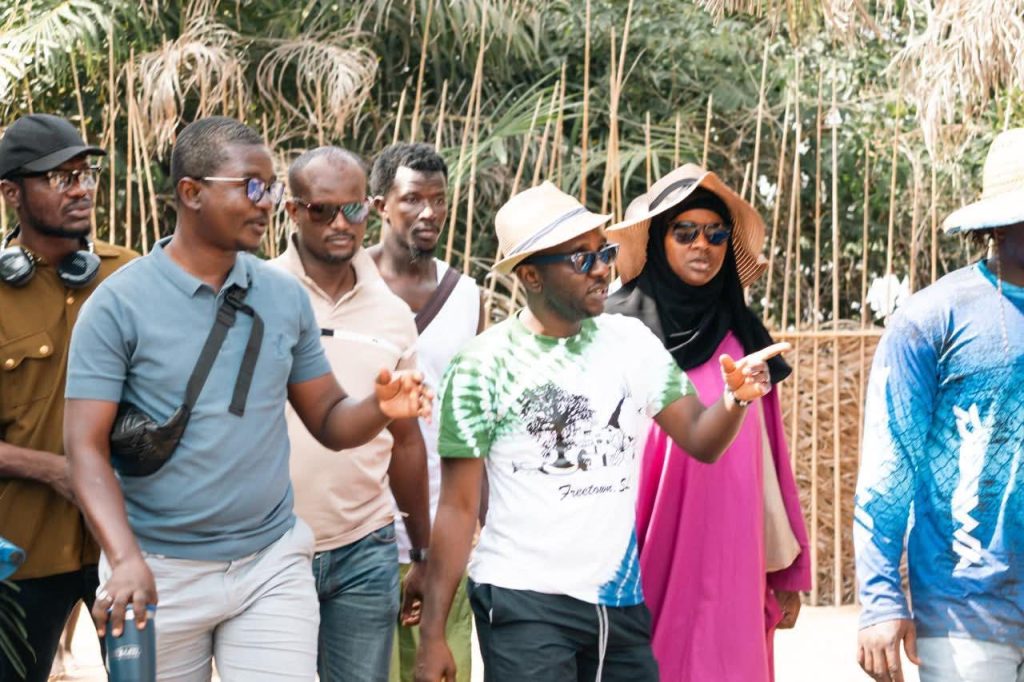
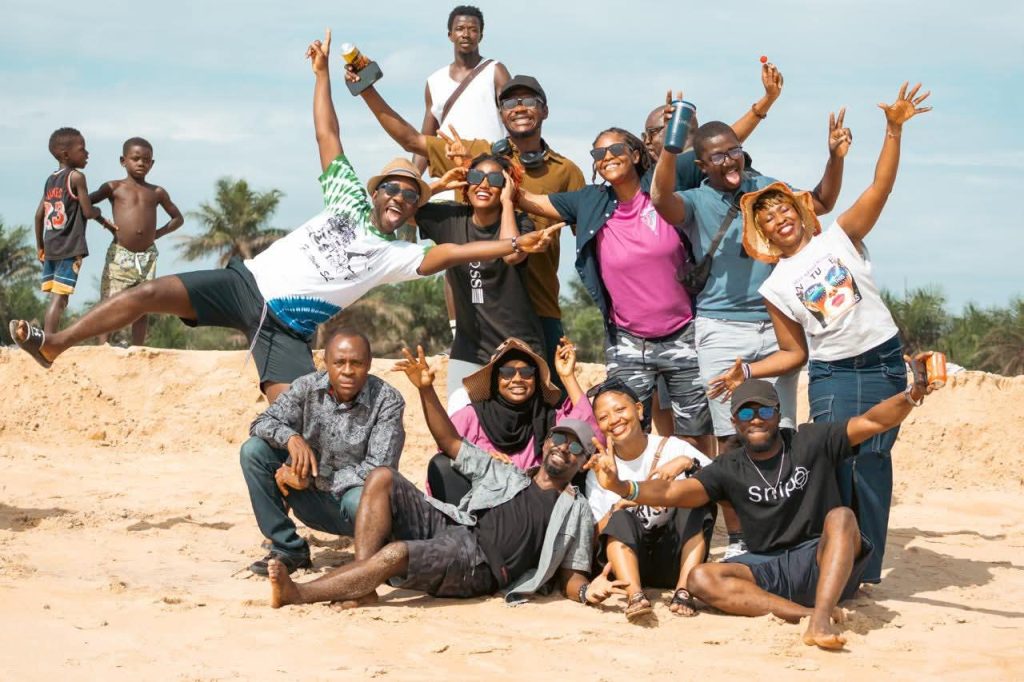
That sense of promise is perhaps most vividly felt beyond the main town. One of the most memorable moments of this trip was our visit to Bohoi Village—a sun-kissed island sandwiched between the lagoon and the Atlantic Ocean. Commonly known as Barefoot Island, Bohoi is quietly positioning itself as a future hub for sport fishing. Its natural beauty is striking, but what stands out even more is its untapped potential. With the right investment and visibility, this small island could soon attract anglers and adventure seekers from far beyond Sierra Leone’s shores.
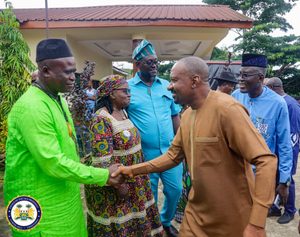
Yet what truly distinguishes Bonthe goes far beyond infrastructure or tourism potential. This island is rich with history and natural endowments, but it is the character of its people that leaves the deepest impression. There is a humility here that feels unforced, a warmth that is immediate. Visitors are not treated as outsiders; they are welcomed as guests into a shared home.
Hope in Bonthe is not abstract—it is deeply personal. I met a seven-year-old girl who dreams of becoming a doctor. Each morning on her way to school, she passes the government hospital, a daily encounter that has quietly shaped her ambition. With a bright smile and unshaken confidence, she told me, “I want to be a doctor so I can help people get well.” In that brief exchange, Bonthe’s future felt tangible and alive.
I also met young journalists—curious, confident, and deeply grounded in their community. It is easy, and often lazy, to be condescending toward journalists based outside the capital. That instinct does not survive in Bonthe. The men and women working in the media here know their community, understand its challenges, and articulate local concerns with clarity and depth. One young journalist posed a pointed question about access to health information in the district—clear evidence that information here is understood as power, not privilege.
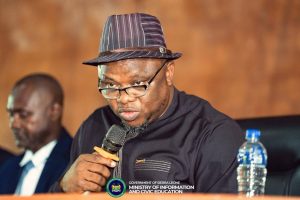
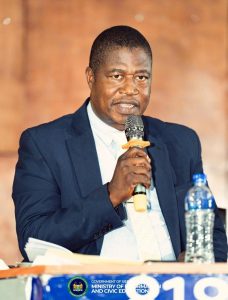
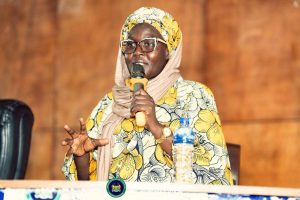
That understanding gave special weight to the press conference held during our visit. It was historic not merely in symbolism, but in substance: it marked the first time a national weekly press conference of its kind had been held on the island of Bonthe. For once, journalists did not have to travel elsewhere to ask questions or to be heard. The island itself became the center of national dialogue. Information, in that moment, moved closer to the people—and with it came accountability.
There is also a strong ethic of collective responsibility in Bonthe, visible in the way the city is kept clean. Cleanliness here is not treated as a slogan or an aspiration; it is a daily practice. Residents hold one another accountable, understanding that dignity begins with environment. As the Mayor of Bonthe, Mohamed Robinson, puts it plainly: “We do not wait for someone else to clean our city. This is our home, and everyone has a duty to protect it.” In Bonthe, rubbish is not something to pray away—it is something to deal with.
Even the food tells a story of care and identity. The best krain-krain I have ever eaten was in Bonthe—rich, deeply flavorful, and unforgettable. I may have to deal with my wife’s scorn for this assessment, but it’s worth it. The different varieties of dried fish added layers of texture and taste, turning a simple dish into an experience. It was cuisine rooted in tradition, patience, and pride.
This visit was also about opening doors—literally and figuratively. The Minister of Information and Civic Education, Chernor Bah, himself a native of Bonthe, captured this spirit when he said:
“One of the reasons we came here is to make sure we contribute, in our own little way, to opening this island further. We hope we accomplish that, because this place has so much more to show the rest of Sierra Leone and beyond.”
That statement resonates because it reflects what Bonthe already is: open, grounded, and ready. Ready for tourists seeking authenticity. Ready for investors willing to look beyond the obvious. Ready for Sierra Leoneans eager to rediscover parts of their country that have long been just a spot on the map.
Bonthe is not asking for sympathy or patronage. It is offering partnership. It is offering history, culture, beauty, and people who believe in tomorrow. With the road nearing completion and national attention steadily increasing, the island stands at a defining threshold.
To visit Bonthe is to be reminded that development is not only about infrastructure, but about people. And when people are hopeful, informed, and united, the future is no longer a distant promise—it is already underway.