By Kadiatu Bash Kamara (Intern), MOICE
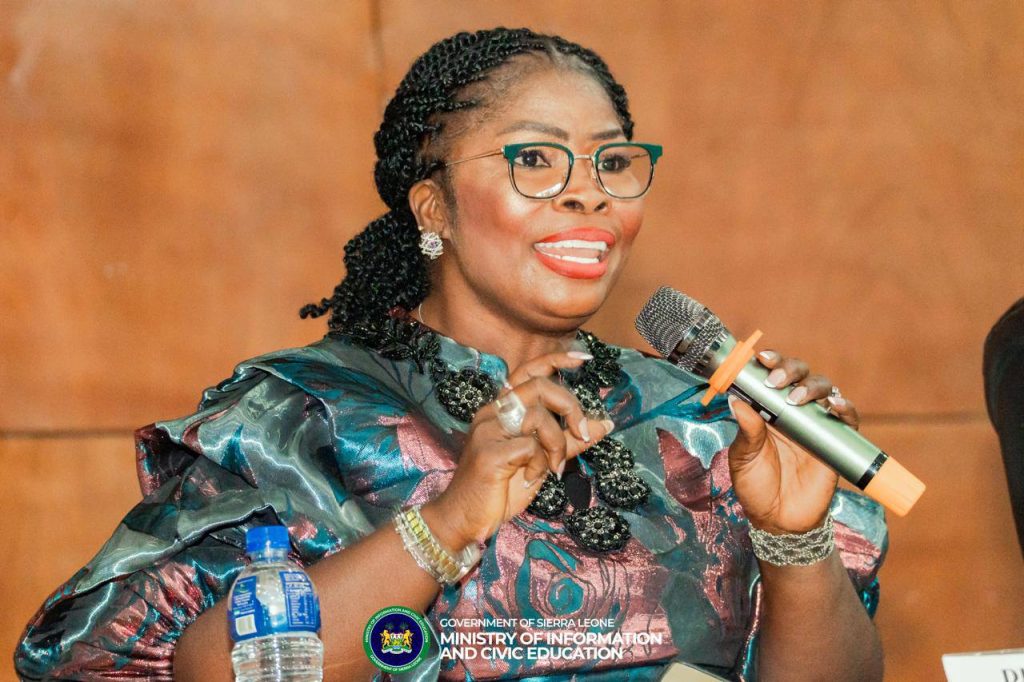
The Minister of Gender and Children’s Affairs, Isata Mahoi, has emphasized the critical link between gender equality, women’s empowerment, and national development, calling for stronger family support systems and inclusive policies to address social challenges in Sierra Leone.
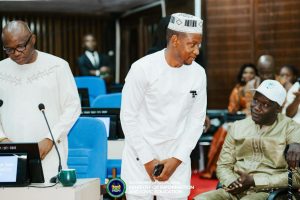
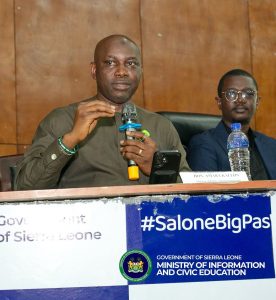
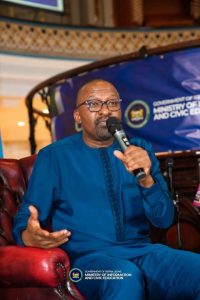
Speaking during the weekly government press conference held at the Miatta Conference Centre on Tuesday, 12th May 2026, Dr. Mahoi addressed the “State of the Family in Sierra Leone,” highlighting the social and economic difficulties faced by women and girls, particularly in rural communities.
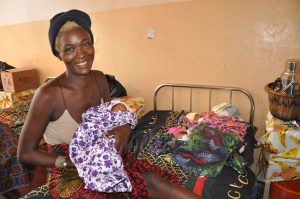
She revealed that available data shows girls living in female-headed households and rural areas face greater hardships than their urban counterparts. According to the minister, rural girls are three times more vulnerable, underscoring the urgent need for inclusive development policies.
“Development must be inclusive and should leave no one behind,” Dr. Mahoi stated, adding that the government’s approach aligns with the vision of African Union Agenda 2063.
The minister explained that information gathered by government institutions and development partners plays a vital role in shaping policies aimed at protecting women and promoting gender equality. While women continue to dominate sectors such as healthcare, she observed that many still remain underrepresented in leadership and decision-making positions.
“When women are economically and financially empowered and understand their rights, they are better able to support their families, protect themselves, and contribute positively to society,” she said.
Dr. Mahoi warned that denying women opportunities for growth and participation contributes to unequal and distorted development, creating broader social problems within families and communities.
She also highlighted harmful cultural practices, early marriages, poverty, and family neglect as key factors contributing to instability in society. According to her, many social challenges begin within households where discrimination, favouritism, hatred among siblings, and lack of support create long-term divisions.
“Many of the problems we see in society today are rooted in the family structure and relationships within the home,” she noted. “Family unity and proper upbringing are essential for national progress.”
The minister stressed that government alone cannot solve these issues and called on families, communities, and society at large to take greater responsibility in supporting and guiding one another.
Her remarks reinforced the importance of strengthening family values, promoting women’s empowerment, and ensuring equal opportunities as part of Sierra Leone’s broader development agenda.