By: Mariama Benovia Davies
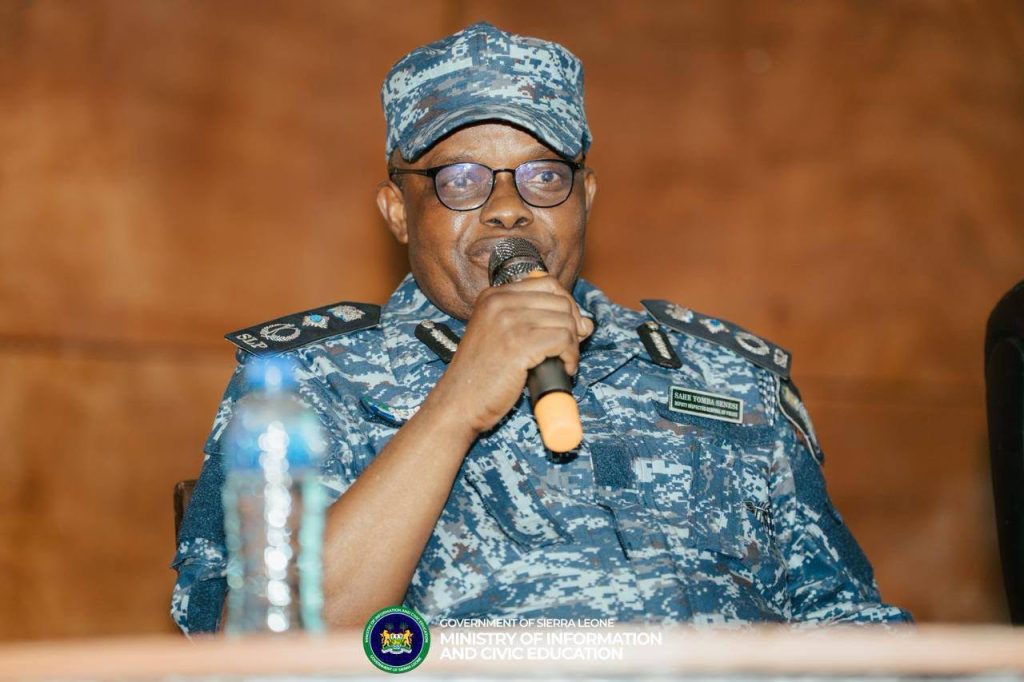
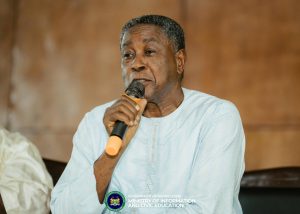
Deputy Inspector General of Police, Mr. Sahr Yomba Senesie, has reaffirmed the Sierra Leone Police’s commitment to supporting the enforcement of the Freetown City Council (FCC) Solid and Liquid Waste Collection By-Laws 2024. Speaking at the Government Weekly Press Conference on 16 June 2026 at the Miatta Civic Centre, he emphasized that environmental discipline and compliance with city regulations are essential to maintaining law and order, promoting public safety, and enhancing the image of Freetown. He represented the Inspector General of Police, who was unable to attend due to a state security engagement.
Mr. Senesie highlighted the ongoing collaboration between the Sierra Leone Police, the FCC, the Sierra Leone Road Safety Authority (SLRSA), and other institutions through a multi-agency task force established by the Ministry of Internal Affairs. The task force has been addressing issues such as the illegal occupation of road reserves, pedestrian walkways, and public spaces, which often force pedestrians onto busy roads and increase the risk of accidents. He noted that the removal of unauthorized structures is aimed at restoring order and protecting lives.
On the enforcement of the FCC waste management by-laws, the Deputy Inspector General stated that while the Council has the legal mandate to oversee sanitation, support from law enforcement agencies is crucial for effective implementation. He stressed that environmental cleanliness is a shared responsibility and urged residents to subscribe to approved waste collection services and comply with the law. He assured the public that enforcement efforts will be preceded by intensive sensitization campaigns to ensure citizens fully understand their obligations.
Addressing broader policing issues, Mr. Senesie reiterated the Police Force’s zero-tolerance stance on corruption and misconduct, noting that officers found guilty of unethical behavior face disciplinary action, including dismissal and prosecution. He also spoke on the regulation of commercial motorbike riders, emphasizing the importance of registration, licensing, helmet use, and compliance with road safety regulations. Restrictions on commercial motorbike operations in parts of Freetown’s Central Business District, he explained, are intended to improve traffic management and public safety.
The Deputy Inspector General further called on citizens to support law enforcement by reporting corruption, misconduct, and other unlawful activities. He also addressed concerns about noise pollution, revealing that the Police have received numerous complaints from communities across Freetown and will continue to balance public education with enforcement where necessary. Concluding his remarks, Mr. Senesie stressed that building a cleaner, safer, and more disciplined Freetown requires collective effort from government institutions, local authorities, and citizens alike.